DJBPT 编辑部
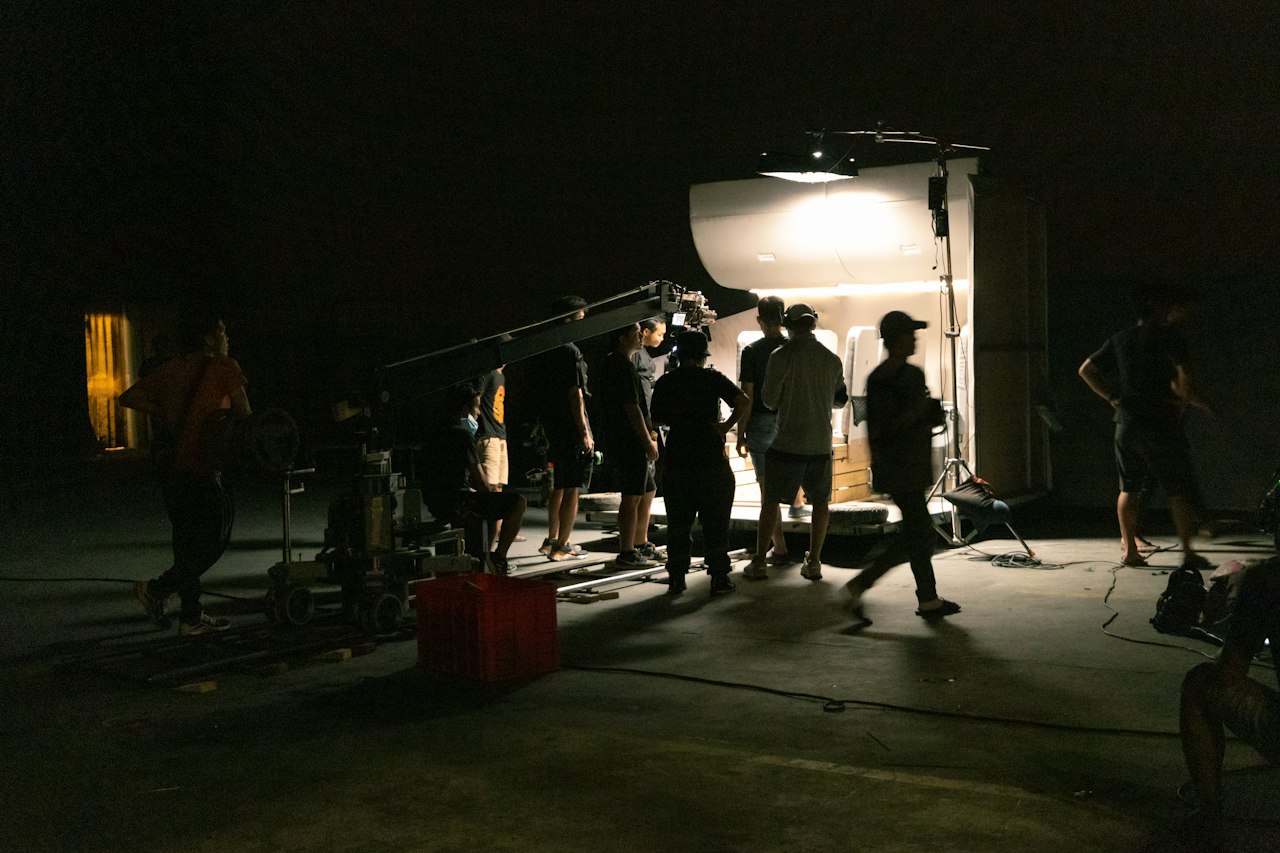
A short-form drama can be produced with a tiny crew, but a tiny crew does not mean a tiny rights problem. A single scene may contain a rented location, visible artwork, music from an adjacent shop, branded props and identifiable people behind the principal cast. International distribution multiplies the contexts in which those elements may be challenged. The solution is not to assume that everything in a camera frame is unlawful; it is to record what was captured, identify material clearance questions and resolve them before delivery. The following workflow is operational guidance, not a substitute for jurisdiction-specific legal advice.
Create a shot-based rights inventory
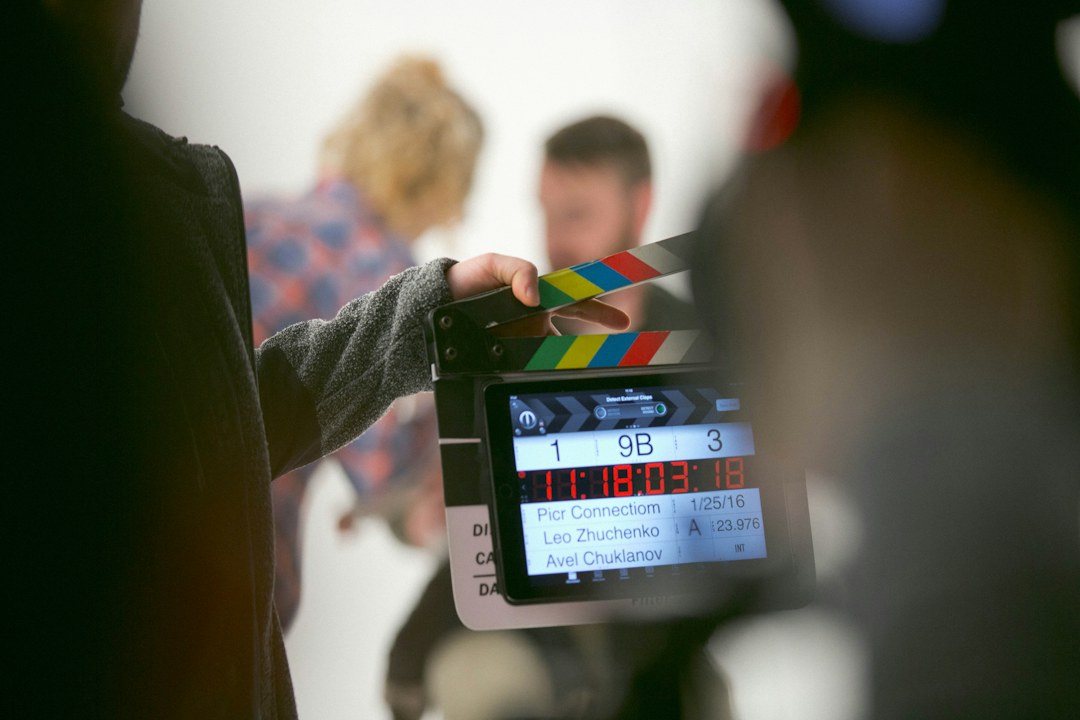
Begin with the shooting schedule and script breakdown. List each scene, location, property owner or manager, visible artworks, logos, background performers, music sources and any third-party footage planned for insertion. Assign a clearance owner and a due date. Linking the inventory to shot and timecode makes it easier to identify exactly where a missing approval affects the edit. A producer should not have to search a collection of emails when a buyer flags one background poster.
Use a simple four-state system: confirmed permission, replacement planned, counsel review required and unresolved. Do not treat silence as permission. A clearance item’s status should include documentary evidence and the scope of permitted use, such as editing, dubbing, trailers and overseas streaming. A vague ‘approved’ label hides essential geographic and media restrictions.
Differentiate authorship from permission to distribute
US copyright law separately recognizes reproduction, derivative works, distribution and public-performance rights under 17 U.S.C. §106, subject to exceptions and limitations. A producer’s ownership of a finished video does not automatically establish every embedded work’s licensing status. An authorized composition, a particular sound recording and a filmed visual element may involve different rights holders and use conditions.
The US Copyright Office describes motion pictures as a class of audiovisual works and provides registration information. Its explanation is useful for understanding the type of work, but does not grant permission to use material found online. Consult local law where filming, talent agreements or advertising rights involve another country. The most conservative operational rule is to record the provenance of high-risk material before it becomes indispensable to the storyline.
Use location agreements as production data
A signed location agreement should identify the actual property, permitted filming dates and areas, restrictions on set dressing, access requirements, damage responsibilities and the authorized ways footage may be exploited. Filming permission from a tenant or employee may not be sufficient for every use. Do not rely on a verbal approval given to a freelance runner unless the person had authority and the deal is adequately documented.
At the end of each shoot, record deviations: a different room, unexpected artwork, a crowd in the background or visible signage not in the initial plan. It is usually less expensive to reframe or blur a problematic element during editing than to resolve a dispute after a campaign has attracted millions of views. Keep all corrections connected to the shot identifier and export version.
Separate visible brands from endorsement claims
A logo appearing naturally in a scene is not the same issue as making the story imply a brand endorses the production. Risk analysis depends on context, jurisdiction and the nature of the use. Producers should review any promotional montage, character dialogue or product mock-up that could create confusion about sponsorship. Work out which items can be cleared, obscured, reframed or replaced with original set dressing.
A clearance log must not declare that every appearance of a brand needs a paid license. That overstates legal requirements and wastes resources. The useful distinction is between facts observed on camera, the editorial purpose of including them and the legal questions that remain. The decision to clear or modify material should be made by the responsible production or legal team.
Check footage and assets supplied by third parties
A freelancer may provide beautiful aerial footage or a background video without passing along sufficient rights for permanent global exploitation. Require source file references, creator identification, license scope, permitted edits, credit requirements and any restrictions involving people or property. If a distributor requires dubbed or localized versions, confirm that derivative editing is allowed. Store the original license copy with the production package.
Never assume that an asset is free to reuse simply because it was downloaded from a social feed or included in another project. A platform’s technical download function is not a grant of commercial rights. The US Copyright Office’s motion-picture resources provide background on the protected work category. Individual rights evaluation still depends on the asset and the terms under which it was acquired.
Deliver a defensible chain-of-title index
Compile a final evidence map that a buyer can inspect: episode number, rights item, licensor, signed document, effective dates, territories, media types, outstanding obligations and responsible contact. Highlight any exception instead of burying it in a folder. A distributor may accept a modified scene or exclude a promotional use if the exception is clear and bounded; unknown gaps are harder to negotiate.
Run a pre-export ‘red flag’ screening against the final picture, not merely the shooting script. Compare the list to what actually appears on screen, resolve open items and preserve the signed version of each agreement. Strong clearance processes make a catalog easier to license again, because the intellectual property can travel with evidence rather than with the original producer’s memory.